
The Right Temperature That Protects Your Car's Systems
How heat and cold affect the engine‚ cooling‚ exhaust‚ battery‚ tires‚ fuel and transmission‚ and how simple care keeps your car running longer.

How Temperature Affects the Engine
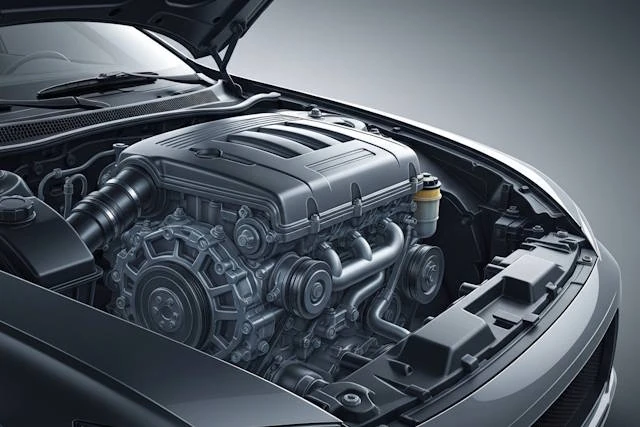
The engine is the part most sensitive to temperature changes. Excessive heat causes metal to expand‚ damages gaskets and breaks down oils‚ while extreme cold raises viscosity and makes lubrication harder. The cooling system is responsible for regulating this balance‚ but it needs maintenance itself. Quality coolant keeps the temperature stable and prevents scale and rust from building up. A periodic check of the coolant level‚ the gaskets and the radiator ensures that the engine runs properly even in extreme conditions.
The Cooling System - The First Line of Defense
In a modern car the cooling system is a sophisticated setup that includes a radiator‚ a water pump‚ a fan and a thermostat. Each component plays a critical role in balancing heat. A faulty thermostat‚ for example‚ can cause the engine to overheat or to stay cold for too long. It is a good idea to check the fan and the thermostat from time to time‚ especially before the summer months. Cleaning dirt and dust off the radiator also matters - any small blockage in the airflow can reduce cooling efficiency.
The Internal Heat in the Exhaust System
The exhaust system is responsible for removing hot gases from the engine. Excessively high temperatures in this system can melt parts and disrupt sensor readings. Exhaust temperature also affects the catalytic converter - an expensive component whose job is to reduce pollution. When the car runs at the right temperature‚ the converter works fully and extends the life of the entire system. Any change in the color of the metal‚ an unusual smell or abnormal smoke is a sign of a system under thermal strain. Early treatment prevents serious and costly damage.
The Cold That Harms the Battery and the Electrical System
Very low temperatures make it harder for the battery to work‚ especially on cold mornings. Its capacity drops‚ and starting becomes slow or unreliable. Old batteries are particularly sensitive to extreme changes. Proper maintenance includes cleaning the terminals‚ checking the voltage and replacing the battery on time. The whole electrical system is affected by cold as well - wires contract‚ contacts come loose and headlights lose their brightness. Keeping the temperature stable with covered parking or weather protection significantly reduces wear.
The Interior Air Conditioning and Heating System
Beyond comfort‚ the air conditioning and heating system helps maintain a balanced temperature throughout the car. A working air conditioner prevents excess humidity that can cause rust or mold in the internal systems. In addition‚ this system helps balance the heat produced by the engine against the cold coming from outside. Cleaning the filters‚ checking the refrigerant and making sure the compressor works properly keep the air quality good and the temperature pleasant without harming other systems.
The Link Between Temperature and Tire Pressure
Heat and cold directly affect tire pressure. On a hot day the air expands and the pressure rises; on a cold day it contracts and the pressure drops. Extreme changes in pressure affect road grip‚ fuel consumption and tire wear. Checking the pressure regularly‚ at least once every two weeks‚ is essential for stability and safety. It is best to check the pressure when the tires are cold to get an accurate reading.
Protecting the Fuel System
The fuel system is especially sensitive to temperature changes. In extreme heat‚ vapor can form in the tank‚ which hurts the pressure and causes interruptions in fuel injection. In the cold‚ on the other hand‚ the fuel becomes thicker and flows less easily. Drivers who fill up at quality stations and keep the tank at least half full prevent condensation and damage to the fuel pump. The fuel filter also needs attention - a slight blockage can quickly turn into a serious fault in extreme weather.
Keeping a Balanced Temperature in the Transmission
The transmission‚ whether manual or automatic‚ works best within a narrow temperature range. Overheating damages the transmission fluid and speeds up wear on the gears. Extreme cold‚ by contrast‚ thickens the fluid and slows down gear changes. Keeping the transmission cooling system in good order‚ together with changing the fluid on time‚ prevents wear and ensures smooth operation over the long term.
How the Weather Affects the Life of Your Car
The weather in Israel varies sharply between regions and seasons. Drivers who regularly park in direct sun see especially high temperatures in plastic parts‚ rubber seals and the electrical system. It is a good idea to use a windshield cover and sunshades‚ and to park in the shade whenever possible. In colder areas it is worth checking the seals and the car's insulation. Sticking to these simple steps keeps the temperature balanced and prevents premature aging of the car's parts.
In Summary
Keeping the right temperature is the key to a reliable car and to saving on maintenance. Every system‚ from the engine to the tires‚ is directly affected by heat or cold. Routine checks‚ smart parking and preventive maintenance let the car run in optimal conditions for years. In the end it is not just about comfort‚ but about understanding that a balanced temperature is the basis for peace of mind on the road and for a car that keeps going without costly surprises or unnecessary breakdowns.