
Simple Actions That Calm the Nervous System
Breathing‚ gentle movement‚ quiet‚ touch‚ balanced food‚ daylight and steady daily rituals all help the nervous system find its balance again.
The Importance of Mindful Breathing
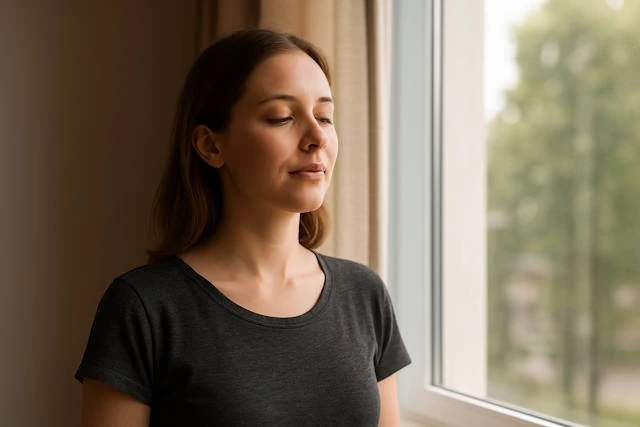
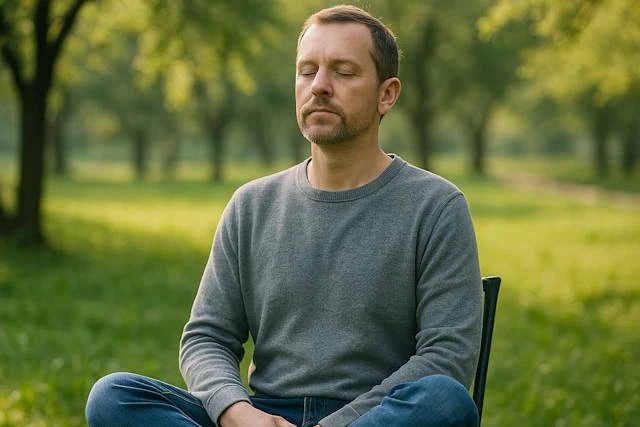
Breathing is one of the most basic and effective ways to calm the nervous system. When your breathing is fast and shallow‚ the brain interprets it as a sign of distress. As soon as you slow the pace and deepen the inhale and exhale‚ the body gets the opposite message - that there is no danger. The simple act of breathing in through the nose‚ holding the air for two seconds and breathing out slowly through the mouth can change the whole physical response. Returning to a steady rhythm is not just a technique; it activates the body's inner calming system and lets you think clearly even in tense moments.
Gentle Movement That Restores a Sense of Control
Gentle movement‚ such as a relaxed walk‚ light stretching or rolling your shoulders‚ lets the body release tension stored in the muscles. When we sit for too long‚ the body "freezes" and the nervous system stays on alert. Even ten minutes of mindful movement a day can change your mental state. Movement like this is not meant to burn calories but to restore flow. Breathing and movement together also create a natural sync between body and brain‚ reduce the sense of overload and bring back a feeling of lightness.
The Power of Silence and Balanced Sound
The nervous system calms down when it is exposed to real quiet. In a noisy world‚ silence has become a rare resource. A few minutes a day without talking‚ music or background noise let the brain "breathe". This is not about the complete absence of stimulation but about balance - natural sounds such as rustling leaves or falling rain also count as a calming environment. Quiet lets the brain process information‚ clear thoughts and return to calm activity. When you practice this daily‚ you build greater resilience to future stress.
The Effect of Touch and a Sense of Safety
Human touch‚ even something as simple as a handshake or a hug‚ directly affects the nervous system. Touch releases hormones such as oxytocin‚ which lower stress levels and strengthen a sense of safety. Non-human touch also helps - wrapping yourself in a heavy blanket‚ sitting in a soft armchair or holding a familiar object sends the brain a message of stability. When the body feels wrapped and safe‚ it stops activating its defense mechanisms and the breath lengthens on its own. These are simple tools with a deep effect.
Choosing Food That Balances Energy
Food affects the nervous system no less than movement or rest. Meals that are too heavy or high in sugar cause sharp swings in energy levels‚ which also affect your mood. By contrast‚ foods rich in magnesium‚ avocado‚ nuts and leafy greens support healthy nerve function. Drinking enough water throughout the day also keeps the electrical balance in the body's cells. When you feed the system consistently and in the right amounts‚ it responds with stability.
How Natural Light Affects Your Mood
Natural light encourages the release of serotonin‚ a hormone responsible for feelings of calm and balance. Exposure to daylight - even through an open window - regulates the body clock and improves sleep quality. On the other hand‚ strong artificial light late in the day can confuse the body and create unnecessary alertness. Spending time in natural light every day strengthens the nervous system and affects your ability to cope with emotional challenges. The simple routine of opening the shutters in the morning changes the whole energy balance of the day.
The Power of Shared Emotional Breathing
One of the strongest tools for calming down is breathing together with another person. When two people breathe together at the same pace‚ their bodies sync. Heartbeat‚ breathing rate and stress hormones come into balance. You can see this between a parent and child‚ between partners or even between close friends. This simple act creates a sense of belonging and reduces loneliness‚ which naturally increases stress. The nervous system "relaxes" when it feels it is not alone.
Bringing Back Everyday Rituals
Routine is not a sign of boredom - it is an anchor. When the nervous system knows what to expect‚ it lets go. Regular actions such as having coffee at the same time‚ making the bed in the morning or taking a walk after work send the brain a message of stability. Small as they are‚ these actions create a framework in which the body feels safe. The more predictable the structure of the day‚ the more emotional energy is available to deal with unexpected challenges.
In Summary
The nervous system doesn't need dramatic treatments to calm down - it needs attention. Deep breathing‚ gentle movement‚ quiet‚ touch‚ balanced nutrition and a steady routine are the building blocks of inner balance. Every small action affects the whole system. Once you stop seeing calm as a goal and start living it as a way of life‚ tension gives way to confidence and ease. Body and mind work in harmony‚ and life becomes quieter‚ more focused and healthier.