
A New Beginning That Comes After a Tough Loss
How a sports team recovers after a tough loss: handling emotions‚ reviewing mistakes‚ rebuilding trust‚ routine and fan support.

Defeat as Ground for Real Growth
Every season has losses that seem too big. Sometimes it is a game everyone expected to win‚ sometimes a moment when everything fell apart despite a huge effort. Yet a team that treats defeat as ground for growth quickly discovers that the fall is only a midway point. For that to happen‚ a change in mindset is needed: seeing a loss not as total failure but as a stage of learning. Once this idea sinks in‚ every player starts asking not "what didn't work" but "what can we do better next time". It is a turning point that builds real strength for the long term.
Dealing with Emotions Before Returning to Training
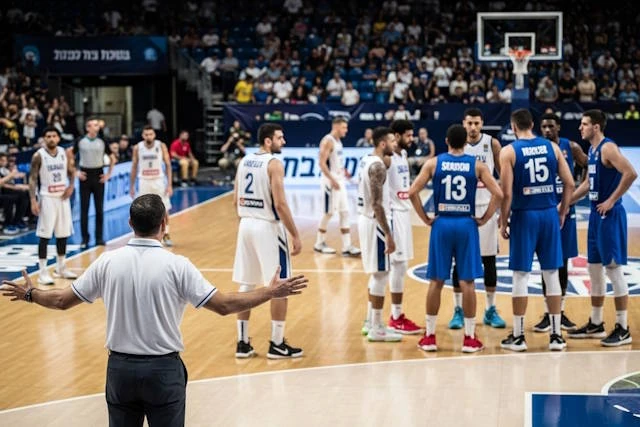
The emotions that come with a loss cannot be ignored. Frustration‚ anger and sometimes self-blame are a natural part of the experience. Experienced coaches know that the first response after a loss sets the course for what follows. It is important to make room for emotion‚ but not to get stuck in it. A team that allows itself to process the disappointment together discovers that it can bounce back faster. The post-game talks‚ listening to the players and the ability to put things on the table openly - all of these gradually bring back the energy. Once emotions are balanced‚ the mind is free again to think ahead.
The Importance of a Clear-Eyed Look at Mistakes
After every loss comes the stage when the coaching staff analyzes the game. But beyond the video analysis or the statistics‚ there is enormous value in an honest conversation among the players themselves. What happened on the field? When did they lose focus? Was there a moment when they stopped believing? A shared understanding of the reasons for the loss prevents blame and promotes mutual responsibility. Instead of looking for "who is to blame"‚ the team learns to look for "what is missing". That is how a loss becomes a building tool rather than an open wound.
Rebuilding Inner Trust
After a loss‚ one of the biggest challenges is restoring trust. Trust between the coach and the players‚ among the players themselves and sometimes self-confidence too. Many players go through moments of doubt - are they good enough‚ could what happened have been prevented. This is where the coach's role becomes decisive: reminding the players of the road they have traveled so far and of the small successes that were forgotten‚ and restoring their sense of capability. A team that manages to stay united precisely in difficult moments develops an emotional resilience that stays with it in the future as well.
Returning to Routine as the Basis for Healing
The immediate response to a loss is sometimes the urge to "fix everything" - change formations‚ add training sessions‚ break the routine. But often it is the routine itself that heals. Returning to the normal rhythm of training‚ keeping familiar habits and carrying on as usual give the team back its sense of stability. Understanding that the day after a loss life goes on - and the next game is getting closer - makes it possible to let go of unnecessary weight. Every training session becomes an opportunity to rebuild confidence and focus.
Body Language as the First Sign of Change
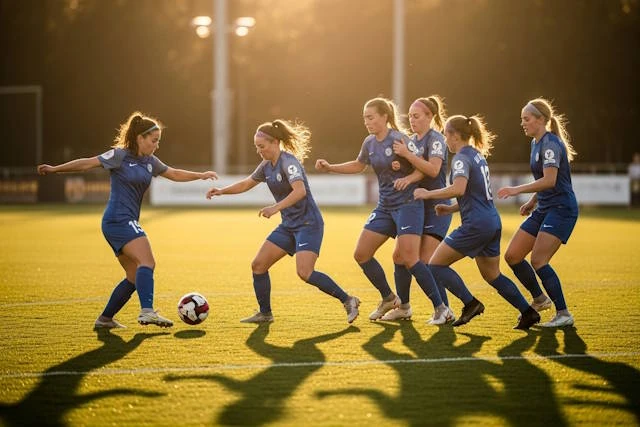
Before the results change‚ the body language changes. A team that starts lifting its head‚ talking to each other and encouraging one another even after a mistake is a team already on its way back. Body language signals both to the crowd and to the players themselves that things are falling back into place. This is the stage at which team spirit is renewed from within - not because someone ordered it‚ but because a shared decision to move on has been made. When body language changes‚ the mindset follows‚ and from there the road to the next win is already shorter.
Defeat as a Way to Sharpen the Team's Identity
Sometimes a loss actually helps a team understand who it really is. It exposes weaknesses‚ but it also sharpens the values that truly matter - determination‚ teamwork‚ humility and perseverance. After a hard game‚ it is easy to see who stands tall‚ who lifts the others up and who keeps mutual respect even when the pain is great. These are the moments when a real team identity is built. The team understands that it is not defined by the result alone but by the way it deals with reality.
The Fans as a Healing Force
One of the strongest elements in coping with losses is the crowd. When the fans keep cheering even after a painful defeat‚ they signal to the players that their faith in them has not disappeared. It is a powerful message that strengthens the sense of belonging. The players understand that they are not alone and that there is a whole community that believes in them even in the less glamorous moments. That support restores inner strength and creates a sense of responsibility - not only to themselves but also to the people waiting for them in the stands.
Moving from Thinking About Results to Thinking About Process
A team that manages to look beyond the result discovers that a loss is only part of a wider story. Instead of measuring success by numbers alone‚ it starts measuring it by the quality of performance‚ the level of commitment and the improvement from one training session to the next. Shifting from results to process frees the players from unnecessary pressure and lets them enjoy the game itself again. That creates a healthy environment that promotes constant learning instead of fear of mistakes.
In Summary
A tough loss can become a significant turning point if it is handled the right way. It exposes weaknesses‚ but it also reminds the team of its humanity. Once it is understood that a loss is not the end of the road but a stop along the way‚ a real opportunity for growth is created. A team that comes back to play after a disappointment discovers strengths it did not know it had - resilience‚ responsibility and a renewed sense of unity. And when those are in place‚ the next win is just a matter of time‚ not luck.