
The Right Lighting Creates Magic Even Without a Big Budget
Layers of light‚ simple sources‚ natural daylight and smart diffusion can create a magical atmosphere at any event without a big budget.
Choosing the Type of Lighting to Suit the Event
The secret of successful lighting lies in matching it to the character of the venue and the atmosphere you want. Warm lighting with a yellowish tone suits intimate events‚ dinners and relaxed gatherings‚ because it softens the look and creates a sense of closeness. Cool white light‚ on the other hand‚ conveys freshness and precision‚ so it is better suited to open spaces‚ exhibitions or events where you want to highlight details. Combining the two - warm and cool - creates depth and gives you control over the atmosphere. When you understand the purpose of the event‚ lighting turns from a technical service into a design tool.
How Layers of Light Shape the Sense of Space
One of the simplest ways to create an impressive effect is to work with layers of light. Instead of relying on a single light source‚ you can combine several: soft overhead lighting‚ small bulbs in the corners and a candle or low fixture that creates a pool of light. Each layer adds another dimension - depth‚ shadows and movement. That way even a small space feels roomier‚ and a large hall becomes more inviting. Balancing general and focused light lets you create natural focal points and lead attention to the right places.
The Link Between Light‚ Colors and Textures
The right light brings out colors and textures‚ while unsuitable lighting can flatten everything. Yellow light flatters wood‚ fabric and ceramics and adds a sense of warmth. White light highlights bright colors and clean textures such as glass or metal. When planning lighting‚ it is important to know what you want to emphasize and what is better softened. For example‚ a stone wall in warm light looks inviting‚ while the same wall in cool light looks dramatic and harsh. Lighting is not just about visibility - it is a tool that brings out the beauty in the details.
Choosing Simple Light Sources with a Big Effect
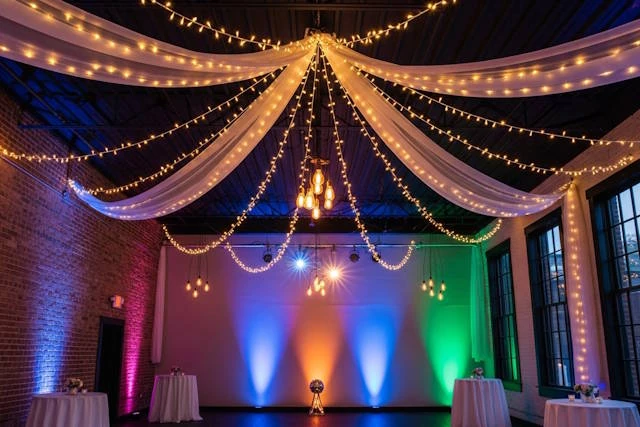
You don't need expensive fixtures to create a sense of magic. Delicate string lights‚ small LED lanterns or even real candles can give any space a magical atmosphere. The difference lies in the layout - how the light falls on the space and at what height it is placed. For example‚ bulbs hung at different heights create visual interest‚ while hidden lighting behind a piece of furniture creates calm. The idea is to work with what you have - combine direct light with reflected light and use walls and ceilings as natural reflectors.
Combining Natural Light with Artificial Lighting
Natural light is the greatest ally of lighting designers. During the day‚ you can use it as the base and add artificial lighting to balance the shadows. Light that changes throughout the day brings a space to life‚ so it is a good idea to leave openings or sheer curtains that let in a soft glow. In the evening‚ as the sun sets‚ you can add warm fixtures that continue the natural feel. Good lighting is not meant to replace natural light but to complement it and keep the balance even when the day is over.
The Link Between Light Intensity and Mood
Light intensity directly affects mood. Light that is too strong can cause fatigue or discomfort‚ while light that is too dim makes interaction harder. That is why the best lighting is lighting you can control. Simple dimmers let you change the atmosphere at the touch of a button - from light and bright to intimate and quiet. A small change in brightness can turn a dining table into a place for calm conversation or a lively dance floor. The right balance between light and shadow is what defines the magic.
Choosing How Light Is Spread Through the Space
Good lighting is not only about intensity but also about direction and diffusion. Direct light highlights‚ indirect light softens and focused light creates interest. When you combine them‚ you get balanced lighting that looks natural to the eye. For example‚ light that comes only from above creates shadows that are too sharp‚ but if you add side or back lighting‚ the result is much more pleasant. The right diffusion prevents a sense of clutter and lets people feel at ease even after long hours in the same space.
How Lighting Shapes the Social Experience
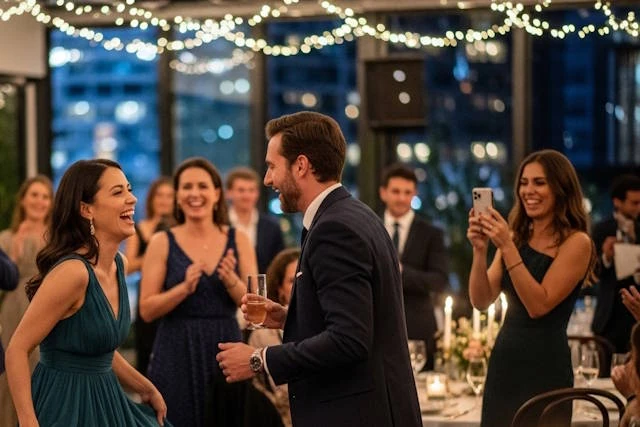
Lighting affects not only the space but also human interaction. Soft light encourages closeness and pleasant conversation‚ while strong industrial light creates a sense of distance. At parties‚ changing lights generate energy and movement; at dinners‚ steady soft light invites intimate conversation. When the lighting is right‚ people stay longer‚ feel relaxed and the event becomes a warm memory. Lighting is not just a design tool - it is a bridge between people.
The Link Between Creativity and Saving on the Budget
A limited budget actually encourages creativity. Simple materials such as glass jars‚ old wine bottles or metal boxes can become unique light fixtures. Using mirrors‚ shiny metals or light-colored walls also strengthens the effect of the light and multiplies it without extra electricity. The result is smart‚ economical and stylish lighting based on thought rather than financial investment. The light takes on a new value - one that comes from imagination‚ not just from the budget.
In Summary
The right lighting that creates magic even without a big budget is not a matter of money but of understanding. Any light source can become a design tool if it is used correctly. A smart combination of colors‚ intensities‚ layers and materials can make any space warm‚ pleasant and full of atmosphere. In the end‚ the magic comes not from the bulbs themselves but from the way they interact with the space and the people in it. The right light doesn't just illuminate a place - it brings it to life‚ adds emotion and reminds us that sometimes simplicity shines the brightest.