
Precise Cutting That Changes the Whole Texture
How the size‚ angle and consistency of a cut‚ plus the right knife‚ change the taste‚ texture and look of a dish.
Choosing the Size of the Cut as the Basis for Flavor
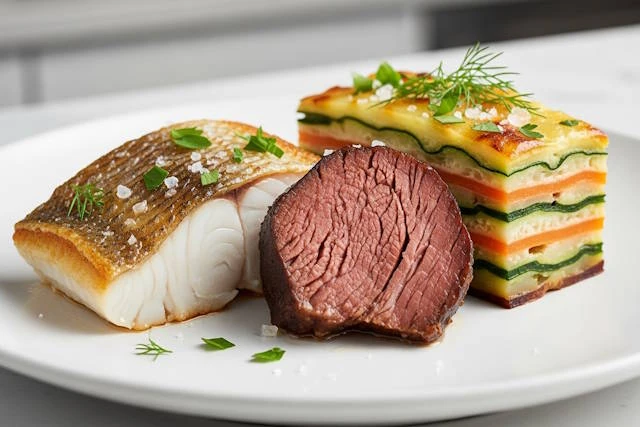
The size an ingredient is cut to determines how it reacts to heat and how it absorbs flavors. Small diced vegetables‚ for example‚ cook quickly and let every touch of sauce reach the core. Large pieces‚ by contrast‚ keep a firmer texture and give a distinct bite. With fruit the effect is just as clear - a thin apple slice releases its sweetness immediately‚ while a thick piece stays juicy for longer. Size is not just a matter of convenience but a decision that changes the whole eating experience.
The Impact of the Cutting Angle on Texture
The cutting angle determines how the fibers of the food are torn or sliced‚ and as a result‚ how it feels in the mouth. Cutting on the diagonal‚ for example‚ creates a wider surface for absorbing flavors and gives a more natural look. A straight cut‚ on the other hand‚ gives a sense of precision and order. With meat and fibrous vegetables‚ cutting against the grain softens the texture‚ while cutting with the grain emphasizes the chew. The right angle turns a technical action into an art that refines the feel‚ not just the look.
The Link Between Even Cutting and Precise Cooking
When every ingredient is cut to the same size‚ cooking becomes more even. Identical pieces cook at the same rate‚ so there are no burnt areas next to ones that are not yet ready. This consistency is not only aesthetic but functional. It ensures that every bite is balanced and that every ingredient gets the same share of heat‚ seasoning and texture. Even cutting takes patience and focus‚ but it is the secret behind dishes that feel "precise" even if you cannot say why.
Choosing the Right Cutting Tool
A sharp knife is not just a tool - it is an extension of the hand. Using the right knife allows a smooth‚ precise and safe cut. When a dull knife meets food‚ it crushes instead of cutting and so changes the texture. The type of blade matters too - a serrated blade for soft fruit‚ a wide blade for root vegetables and a mallet for tender meat. A professional or home cook who understands the link between the tool and the texture knows that every movement counts. A good knife is not a luxury - it is a condition for precision and for respect toward the ingredients.
The Impact of Cutting Technique on the Eating Experience
The way an ingredient is cut changes the feeling of every bite. Thinly sliced vegetables create softness and a flow of flavors‚ while coarse pieces give a sense of fullness and depth. Even in baking‚ the way flour‚ butter or chocolate are mixed and portioned affects the final texture. Precise cutting brings not only consistency but also a music of textures - a mix of softness and crunch‚ of lightness and depth. This is where culinary precision meets the emotional experience.
The Link Between Patience and Precision
Precise cutting is a craft that takes time. It is not merely a technical action but a process of focus and presence. The patience needed for even cutting reflects the overall attitude toward food - is the goal just to finish‚ or to create something perfect? Every slow‚ measured movement is an expression of care. Even if the result looks simple‚ the difference in taste and texture will be tangible. This patience is the hallmark of people who truly love what they do.
Combining Different Textures in the Same Dish
One of the most interesting ways to create a rich culinary experience is to combine different textures on the same plate. A thinly sliced vegetable next to roasted cubes‚ delicate minced meat with a thick sauce - this contrast creates interest and complexity. Precise cutting makes it possible to control the balance between the ingredients so that each texture gets its proper place. It is a craft of precision and balance - like an orchestra in which every instrument plays at the right volume and the harmony comes from the combination.
The Impact of Aesthetics on the Perception of Taste
The eye tastes before the tongue‚ and precise cutting is also a matter of beauty. When the pieces of food are arranged neatly and evenly‚ they give an impression of perfection and care. It is a quiet message about whoever stood behind the dish - about effort‚ understanding and respect for the diners' experience. At home too‚ careful cutting makes a meal more special and brings a festive feeling into the routine. This aesthetic is not a gimmick; it is part of the overall experience of taste‚ smell and sight.
The Link Between Culinary Precision and Inner Calm
There is something almost meditative about cutting. The rhythmic sound of the knife‚ the precise movement‚ the focus on the moment - all of these create a sense of calm. Precision becomes an action that organizes not only the ingredients but also the thoughts. Every successful cut brings instant satisfaction‚ and the handwork becomes an act of full presence. In a sense‚ precise cutting is not only a culinary tool but also a way to find quiet in a world that is in too much of a hurry.
In Summary
Precise cutting changes the whole texture - not only of the food but of the entire experience around it. It creates balance‚ aesthetics and a sense of precision that shows in every bite. Behind every straight slice and every even cube lies an investment of time‚ attention and love for the craft itself. It is not just a kitchen technique but an expression of an approach to life - one that understands that perfection is made of small details. Because sometimes the difference between an ordinary dish and one you remember lies in the precision of the knife‚ not only in what is on the plate.