
One Wall Color That Changes the Whole Energy of a Room
How shade‚ lighting‚ texture and existing furniture turn a single painted wall into a focal point that changes mood and the sense of space.
Choosing a Shade That Creates a Feeling
Every color tells a different story. Light shades create a sense of openness and light‚ while dark shades give depth and warmth. Greenish tones connect to nature‚ blues convey calm and yellows add energy and joy. The question is not only what looks good‚ but what feels right. The color you choose affects how you feel inside every time you walk into the room. So when you are thinking about a change‚ it is worth giving thought to the emotion the shade creates - not only to how it looks.
How Lighting Affects the Way Color Is Seen
Natural light changes everything. The same shade can look completely different at different times of the day. In the morning it will look soft and bright‚ and in the evening it may turn warm and deep. The type of bulb matters too - white light emphasizes contrasts‚ while yellow light gives softness. Before deciding on a final color‚ it is worth checking how it looks under different conditions. Light and color work together; they set the energy. Combining them correctly makes the room not only more beautiful but also balanced between calm and liveliness.
The Link Between Color and the Pace of Life
A home is a reflection of the people who live in it. The pace of life‚ the daily schedule and even the mood are all reflected in the colors. In rooms with a lot of activity‚ soft shades create balance. In spaces that call for calm‚ you can use colors that soothe the eye. For example‚ a soft blue in a bedroom creates a feeling of room to breathe‚ while a gentle green in a study improves concentration. The chosen color sets the energy of the place - and it changes along with the residents' routine.
Choosing a Feature Wall as a Design Element
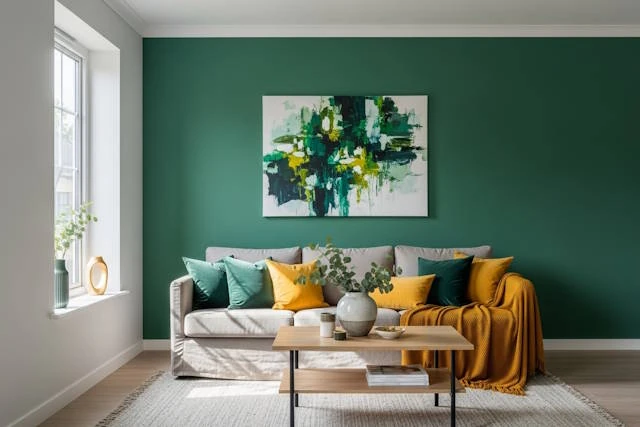
Instead of painting the whole room‚ one chosen wall can serve as a design anchor. It is a wall that draws the eye and gives the space depth. Usually it is the wall facing the entrance‚ the one behind a bed or sofa‚ or the one that frames and highlights the rest of the furniture. Color on a feature wall creates a focal point without overloading the room. It conveys thought and balance - not too much color‚ but a precise touch. Sometimes it is precisely highlighting one wall that lets the other walls "breathe".
How Texture Affects the Color Experience
Color is not only a shade - it is also a texture. A wall with a matte finish conveys warmth and softness‚ while a glossy wall creates a sense of depth and movement. You can also combine different techniques - decorative plaster‚ a subtle texture or a metallic effect - to give the color a living presence. Texture adds another layer to the experience. When light falls on the wall at different angles‚ the color changes its look‚ as if the room wakes up anew each time.
The Link Between Color and Your Existing Furniture
Before refreshing a wall‚ it is important to look at what is already there. The new color should speak to the furniture‚ curtains‚ rugs and pictures. It doesn't have to blend in‚ but it should create a shared language. A dark shade can make light furniture stand out‚ and a light shade can balance strong colors. Sometimes only a small change is needed to make the whole home look more coordinated. The right color doesn't only change the wall - it changes everything around it.
Choosing a Color to Match an Emotional Goal
Beyond aesthetics‚ colors have real psychological power. Red stirs passion and energy‚ green strengthens a sense of nature and harmony‚ and blue brings calm and security. When you want a change at home‚ it is worth thinking about the feeling you want to invite in. In rooms where you want to relax‚ cool colors will help. In areas where you want to spark creativity‚ warm and bold colors will inspire. This choice affects not only the eye but also the soul.
How a Painted Wall Affects the Sense of Space
Surprisingly‚ color can change how big a room feels. A dark shade on one wall can deepen the space and create a sense of depth. A light color on a far wall‚ by contrast‚ will make the room look bigger and brighter. A different ceiling color‚ for example‚ can completely change the sense of height. Playing with dark and light walls makes it possible to design a feeling of movement in the space - without moving a single piece of furniture.
The Link Between a Refreshed Wall and a Change of Mindset
Quite a few people discover that a small change in a room creates a big change in the mind. A new color on the wall is a quiet statement of a new beginning. Sometimes it is a wish to refresh a period of life‚ to mark a personal change or simply to breathe in a new atmosphere. The painted wall becomes a symbol of moving forward‚ even if the whole change happens inside the same home. Color changes not only what you see‚ but also what you feel every time you walk in.
In Summary
One freshly painted wall is proof that real change doesn't have to be dramatic. The right color‚ suitable lighting and thought about the feeling you want - all of these can turn a familiar room into a place that feels new. Color affects mood‚ energy and the overall feel of the home. It is a simple but powerful tool for creating an atmosphere that invites calm‚ inspiration or joy - all according to your choice. Sometimes‚ to feel a real change‚ all you need is to open a can of paint and let one wall tell a new story.