
A Home That Feels Good Before It Looks Perfect
Light‚ scent‚ sound‚ natural materials and meaningful details make a home feel cozy long before it reaches a flawless interior design.
The Connection Between Feeling and Design
Interior design sometimes tends to focus on appearance‚ but a home is first and foremost a space of feeling. What makes a home pleasant is not necessarily matching styles or colors‚ but the combination of light‚ space and energy. When all of these are in balance‚ you get a place where life feels easy. A pleasant home is not only nice to look at - it lets you breathe‚ move freely and feel as if the space itself is giving you a hug. Comfort is created when design serves life‚ and not the other way around.
Choosing Details with Meaning
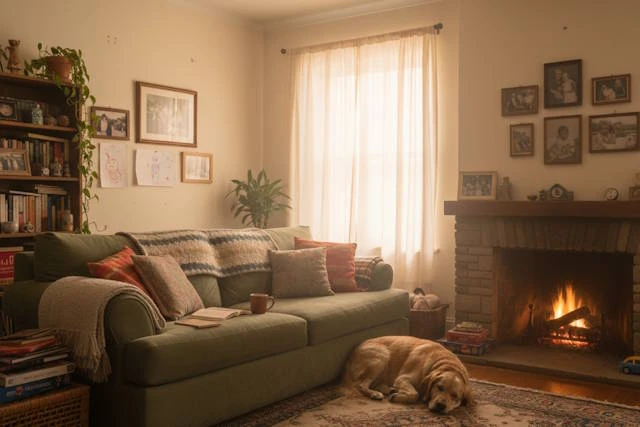
A home that feels good is built from small details that tell a personal story. They are not chosen just because they match‚ but because they carry emotion. A favorite photo‚ an old lamp passed down through generations‚ an open book on a table - every such detail adds a layer of life. The feeling comes from the connection between things‚ from how they relate to each other‚ and not only from their aesthetic value. There is no need for great wealth or luxury design; it is enough to bring into the space items that hold memories and feel "just like us". That is how natural warmth is created - the kind you don't buy but make.
How Light Affects the Sense of Comfort
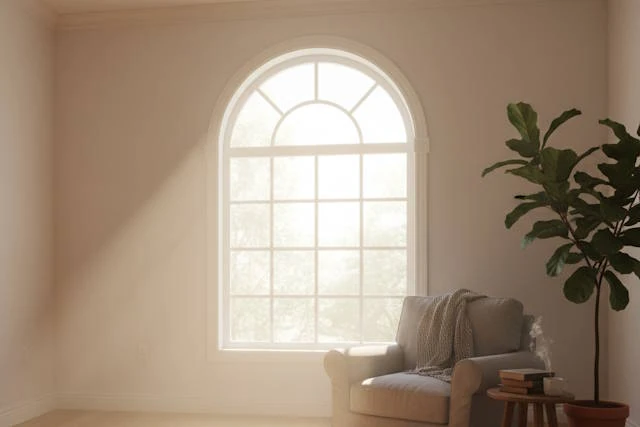
Light has a direct effect on mood and on the atmosphere at home. Lighting that is too strong can create a sense of harshness‚ while soft light creates warmth and relaxes the body. Natural light also plays an important role: open windows let the home breathe. In a home that feels good‚ the lighting is not random - it follows the rhythm of life. In the morning it energizes‚ in the evening it wraps around you. This balance between light and shadow creates depth and a sense of security‚ even without any special design effort.
The Link Between Scent and Memory
Scent may be the quietest element in a home‚ but it is also the most powerful. The aroma of fresh coffee in the morning‚ clean laundry or a gentle candle in the evening creates sensory memories that stay with you. A pleasant scent gives a feeling of cleanliness‚ calm and homeliness. It signals order even when the home is far from perfect. A home that is pleasant to be in is a place where the scents are soothing‚ inviting and natural. This is not about luxury perfume‚ but about a harmony that brings back the joy of simplicity.
How Sound Shapes the Feeling of Home
A home speaks in a language of sounds: footsteps‚ a door opening‚ the wind passing through the curtains‚ laughter coming from the next room. When the sounds are in harmony‚ a sense of calm is created. Quiet matters too - not total silence‚ but the kind that lets you breathe. Soft background music‚ sounds of nature or even the familiar sounds of the daily routine all create a sense of security. A home that is too perfect can feel sterile‚ but a pleasant home sounds like a place where people really live.
Balancing Order and Life
Order contributes to calm‚ but too much order can create rigidity. A pleasant home keeps a balance - it is tidy enough to allow natural movement‚ without any fear of touching or changing things. When everything is too precise‚ a sense of detachment sets in. But when there is a little imperfection‚ such as an open book‚ a cushion out of place or a cup on the counter‚ a sense of life appears. The secret lies in combining a feeling of cleanliness with the real presence of the people who live in the home. It is a human kind of order‚ not a showroom one.
How Materials and Textures Create Warmth
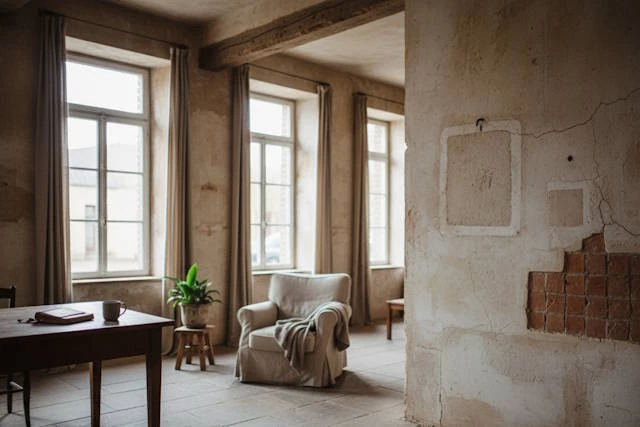
Natural materials add a sense of closeness and stability to a home. Wood‚ cotton‚ stone or linen create a calm warmth and instant comfort. Unlike cold synthetic materials‚ they have a human touch. Texture changes the way the body responds to a place: a floor that feels warm underfoot‚ a soft blanket or a gentle rug create a sense of being wrapped up. The real beauty of such materials is that they age gracefully and gain depth over time. They are a reminder that a lived-in home is not a place to be guarded carefully‚ but one that invites touch.
The Bond Between People and Place
No design‚ however luxurious‚ can hide a sense of detachment. What turns a place into a home is the people who live in it - the energy they bring‚ the way they treat each other‚ the way they use the space. A pleasant home is a place of acceptance‚ not only of objects but of the people themselves. When the place allows expression‚ freedom and movement‚ it feels real. There is no need to impress‚ only to be. Comfort comes not from the design but from the relationships it holds.
Choosing Ease Over Perfection
Visual perfection can sometimes push people away. It creates a sense of rigidity and distance. Ease‚ on the other hand‚ brings people closer. A pleasant home is one that doesn't try to be perfect - it simply lets you live. There is room in it to make mistakes‚ to change and to improvise. It can accommodate a lack of symmetry and a little improvisation. This is a different kind of perfection: a perfection of feeling‚ not of form. Such a home doesn't keep its residents on edge but lets them feel they belong. That is the great art - turning a space into a place that is truly alive.
In Summary
A home that feels good before it looks perfect is a reminder that true beauty is measured by feeling‚ not by appearance. Comfort comes from the harmony of light‚ scent‚ sound and material‚ from the bond between people and place and from the ability to let go of perfection. Every small detail adds a layer of life‚ and every such layer creates warmth. In the end‚ the best home is not the one that impresses others‚ but the one that soothes whoever comes back to it. Because a real home doesn't photograph better - it simply feels right.