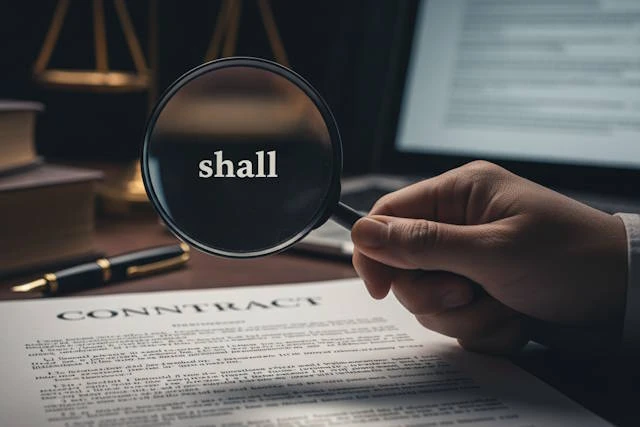

A Clear Contract That Prevents Misunderstandings Before They Start
How precise wording‚ a readable structure and well-thought-out clauses help both parties to a contract avoid disputes and keep trust for years.

A Contract as a Mechanism of Mutual Understanding
A clear contract creates a framework that everyone understands in the same way. It turns vague talk into binding words and so removes ambiguities that could surface later. When everything is in writing‚ there is no room for conflicting interpretations or hidden assumptions. A good contract is not just a list of duties and rights but a shared language that lets each party know what to expect. The written document serves as an anchor that brings both sides back to solid ground whenever something starts to wobble.
The Importance of Precise and Clear Wording
Drafting a contract takes more than nice words - it takes precision. A single word can change an entire legal meaning. A clear contract does not use vague expressions but states explicitly what has been agreed and what has not. Every clause must be worded so that each party understands it in the same way. Instead of general wording‚ measurable terms should be set: deadlines‚ amounts‚ actions and specific situations. Precise wording keeps things clear even years after the agreement was signed‚ and it is the key to avoiding disputes.
Choosing a Structure That Makes Reading Easier
A good contract does not have to be long to be thorough. It needs to be organized in a way that makes it easy to read. A clear structure with subheadings‚ numbered clauses and a logical order creates a sense of confidence. A well-organized document conveys professionalism and reduces discomfort for the parties. The way the clauses are presented also affects clarity - a contract that first sets out the main principles and then the details reads smoothly and gives a full understanding of the context. Clarity of form is not just a matter of layout but part of the content itself.
The Effect of Dialogue While Drafting the Contract
A clear contract is the result of dialogue‚ not coercion. When the parties take part in drafting it‚ they understand the meaning of each clause and feel committed to it. It is important that each party can ask‚ suggest and correct before signing. This dialogue prevents mistrust and ensures the document is not one-sided. A contract that is built together is a contract that holds up‚ because all parties feel it protects them equally. In the end‚ working on the wording together is the basis for future cooperation.
The Link Between a Clear Contract and Preventing Disputes
Most legal disputes stem from loopholes in a contract or a lack of detail. When a contract is well written‚ it removes the need to go to court. The parties know in advance how to act in every situation - even if something goes wrong. A clear contract leaves less room for ego‚ turns attention to the facts and to what was agreed‚ and saves time‚ money and heartache. It allows disagreements to be resolved on the basis of a written agreement rather than feelings or selective memory. Legal clarity prevents human crises.
Choosing Accessible Rather Than Purely Technical Language
One of the big challenges is keeping a balance between precise legal language and language that people can understand. A contract that neither party truly understands loses its value. Simple‚ clear wording is better than complicated sentences. Even if the document is drafted by a lawyer‚ it is important that the parties understand every word in it. Language should serve the content‚ not hide it. A contract written in accessible language is one that each party can read with confidence‚ knowing exactly what they have signed.
The Importance of Addressing Edge Cases
A clear contract also takes into account scenarios nobody wants to think about - cancellation‚ delay‚ a change in circumstances. Instead of avoiding sensitive topics‚ it deals with them in advance. A clear definition of what happens "if and when" prevents future disputes and avoids a sense of surprise or betrayal. It is a kind of legal insurance that protects both sides. The more possible situations a contract addresses‚ the more stable and durable it is over time.
The Effect of Updating Existing Contracts
Contracts are not frozen documents. Reality changes‚ and it is important to update agreements accordingly. Even the clearest contract can become outdated if economic‚ social or technological conditions change. Updating contracts periodically keeps them relevant and prevents ambiguity. It is a process of legal maintenance - just like maintaining a property or a business. A contract that is updated over time stays reliable in new situations as well.
The Link Between a Clear Contract and Long-Term Trust
Clarity does not replace trust; it strengthens it. When there is a clear contract‚ each party knows the relationship is based on equality‚ fairness and mutual respect. Knowing there is a clear framework is exactly what makes it possible to release tension and work calmly. A contract that cannot be read two ways makes it possible to build professional or business relationships that last for years. It protects both parties not only legally but also emotionally‚ by removing the sense of "maybe" and turning it into "of course".
In Summary
A clear contract is not technical paperwork but a foundation of peace of mind. It sets boundaries‚ creates confidence and lets each party know what is required of it and what it receives in return. Instead of relying on fleeting words‚ such a contract builds a bridge of trust. Every word is measured‚ every clause is precise‚ and every detail is written with the aim of preventing misunderstandings before they arise. In a world where ambiguity is costly‚ a clear contract is the simplest protection - the one that lets you move forward with confidence‚ full understanding and real transparency.