

The Liability Hidden in One Small Word
How a single word in a contract can change obligations‚ shift liability between the parties and alter how a court reads the deal.
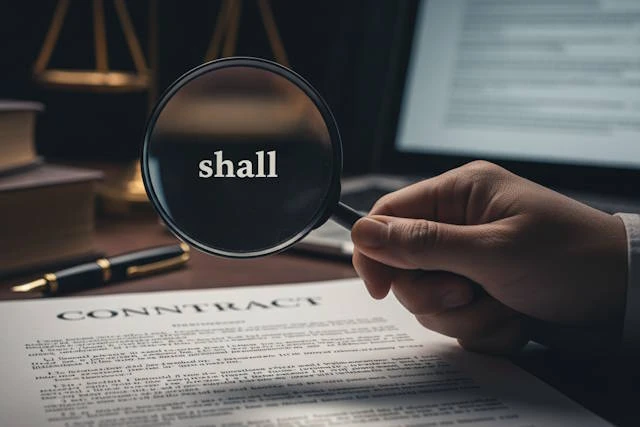
The Impact of Wording on Legal Meaning
Words create reality. In a legal context‚ every word defines an obligation‚ a duty or a right. For example‚ the difference between "shall do" and "may do" is enormous - the first requires action‚ the second only permits it. Even terms such as "as soon as possible" or "within 30 days" create different levels of commitment. Legal drafting is not just the aesthetics of language but a way to control consequences. Any small change in wording may lead to a completely different interpretation in court. This calls for full attention to every word that is written‚ because each one may carry the potential for broad or limited liability.
Choosing Words That Prevent Double Meanings
One of the biggest challenges in drafting contracts is avoiding words that can be understood in more than one way. Words that are too general leave room for interpretation‚ while precise words draw a clear line. Legal liability starts right there - in the choice between open-ended and unambiguous wording. A contract that respects both parties is written so that every term in it is clear and understandable to any reader‚ even someone who is not a lawyer. One precise word can prevent years of argument‚ while a single vague word can spark a dispute.
The Impact of Words on the Allocation of Liability
Words determine who is responsible for what. When a clause says "the supplier shall bear liability"‚ the meaning is entirely different from a sentence that says "the client shall confirm liability". Every change of this kind shifts the legal weight from one party to the other. Legal liability is not only the result of an act but also of a linguistic definition. It is a world where wording defines reality - so anyone who wants to protect themselves must understand that the right word at the right time is sometimes worth more than any other clause.
The Link Between Legal Drafting and the Parties' Intent
In many cases‚ when a contract reaches court‚ one of the central questions is what the "intent of the parties" was. This is where every word is examined. Judges and lawyers break the text down to the level of a single phrase to understand what was really agreed. That is why precise drafting in advance is not only a way to avoid mistakes - it is a way to make sure the original intention is not lost over time. Every word is a record of will‚ and every phrasing is a seal on a shared understanding. A clearly drafted contract preserves the parties' intent even when time changes the circumstances.
The Importance of Critical Reading Before Signing
Before signing a legal document‚ it is important to read it not just at a glance but with a critical eye. Sometimes a small word that seems technical - such as "including"‚ "excluding"‚ "only" or "subject to" - changes the entire balance of the agreement. Careful reading reveals hidden liability or limitations that are not obvious at first sight. When in doubt‚ ask and clarify before signing‚ not after. This thorough reading is the key to preventing legal surprises. Anyone who understands the meaning of every word also understands the meaning of the liability they are taking on.
Choosing Clear Language as a Condition for Legal Peace of Mind
Lawyers sometimes use complicated language for the sake of legal precision‚ but a contract that neither party truly understands does not serve its purpose. The responsibility for clear wording lies not only with the drafter but also with the signer. Accessible‚ clear language allows each party to know where they stand and what their duties are. The more readable the document‚ the smaller the risk of future disputes. Clarity is not a sign of oversimplification but of trust. It says: there is nothing to hide‚ everything is understood and out in the open.
The Link Between Legal Liability and Professional Ethics
Behind every contract there are people - lawyers‚ clients‚ partners or employers. Their linguistic responsibility is also a moral responsibility. Precise drafting is not just a means of protection but an expression of fairness. One-sided drafting damages trust and undermines the foundations of the relationship. A contract drafted honestly and with care for balance‚ on the other hand‚ creates a sense of mutual security. Here too‚ a single word can decide whether the document serves everyone's interests or only those of one party.
How Small Updates Can Create Major Liability
Over the years‚ contracts and terms change. Adding just one word can significantly expand or narrow liability. For example‚ inserting the phrase "without warranty" or "subject to inspection" completely changes the scope of the commitment. That is why it is important to check every change in wording‚ even when it is an updated version of an old agreement. Sometimes an addition that seems minor brings a substantial change with it. Real responsibility means not only knowing what was written but also understanding what has changed.
The Importance of Caution When Drafting Agreements Yourself
In an era when contract templates can be found online‚ many people choose to draft agreements themselves. But legal language demands extra care. Using imprecise words can impose unexpected liability or make a contract invalid. Legal liability is not just a matter of intent - it is the result of wording. That is why it is important to make sure every word has been checked‚ every clause is understood and there is no room for doubt. Even in a simple document‚ the liability hidden between the lines may be much greater than expected.
In Summary
The liability hidden in one small word is a reminder that legal language is power. Every word can protect or bind‚ build trust or undermine it. Attention to small details - to wording‚ to choosing precise terms and to clarity of language - is the surest way to protect rights‚ healthy relationships and legal peace of mind. In a world where contracts and documents accompany almost every action‚ liability starts where things seem simplest - with the word written precisely at the right time and in the right place.